Is Your Change Management Failing? Here’s What You Might Be Overlooking
Is your organization showing signs of change fatigue? You might be feeding it more transformation than it can handle!
As a leader, guiding your organization through change is part of your DNA. However, even the best-intentioned change efforts can fail if you don’t recognize your team’s capacity to absorb it.
A McKinsey study shows that 70% of change programs fail to achieve their goals!
One reason is that leaders push too much, too fast. Think of your organization like a baby.
When hungry, it eagerly takes in new ideas and adjustments. But when full, it resists, no matter how much you try to feed it more.

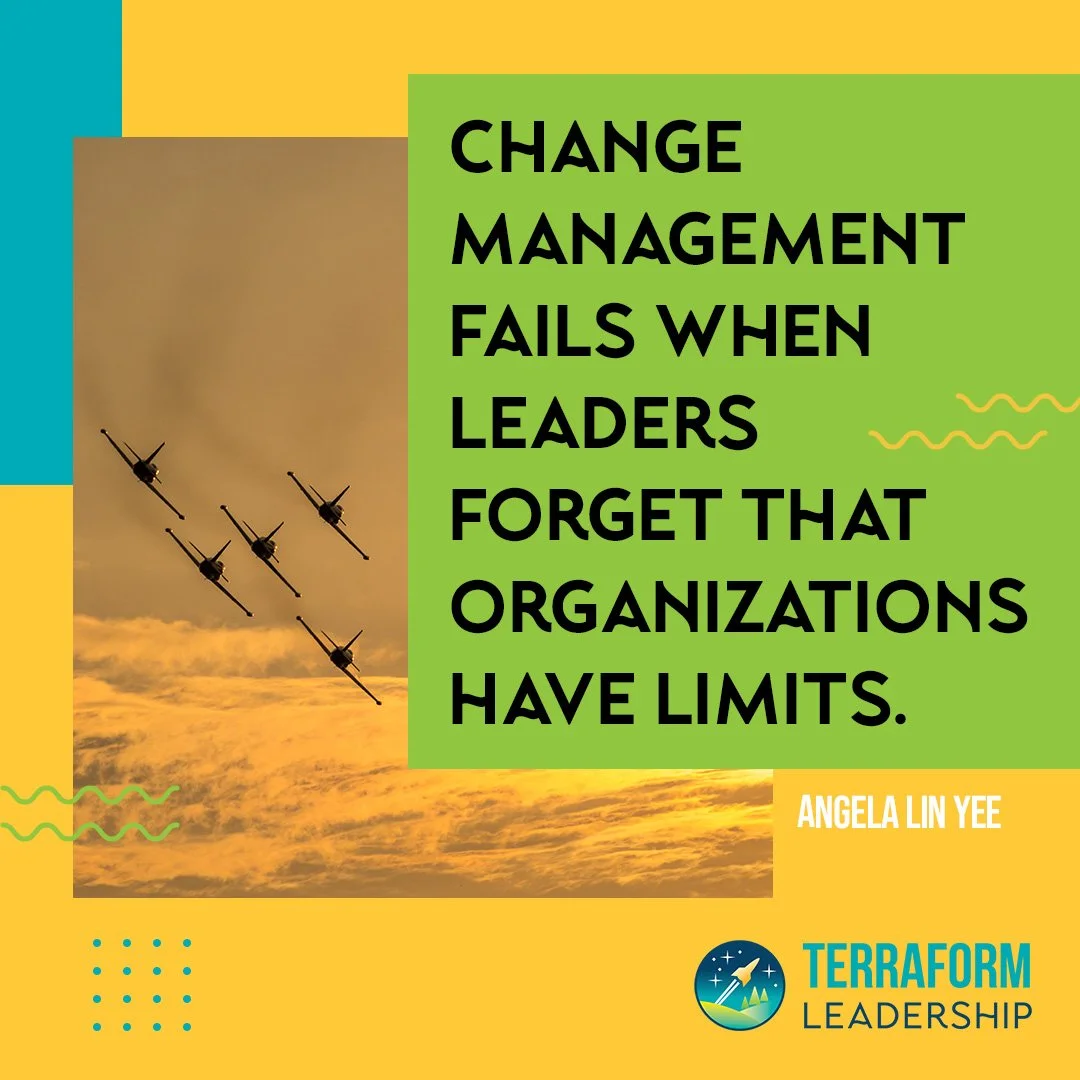
Change management fails when leaders forget that organizations, like babies, have limits.
Overloading an organization can trigger resistance—manifesting as pushback, passive aggression, or disengagement.
So, what’s the solution? S
uccessful change management depends on understanding your team’s capacity for change.
Watch out for the signs of burnout and disengagement before pushing forward with new initiatives.
Reflection
Before tackling change, check in on how things are going. What’s your team’s capacity for change?
Give your people time to digest what’s already on their plate before adding more.
Sometimes, the best way to move ahead is to pause, reflect, and let the team catch up.

Enjoyed this post?
Get more leadership insights, videos, and tools to help you make a clear path forward — delivered to your inbox!